
Catholic Burial and Cremation: Honoring Tradition While Facing Today’s Realities

Catholic Burial and Cremation: Honoring Tradition While Facing Today’s Realities

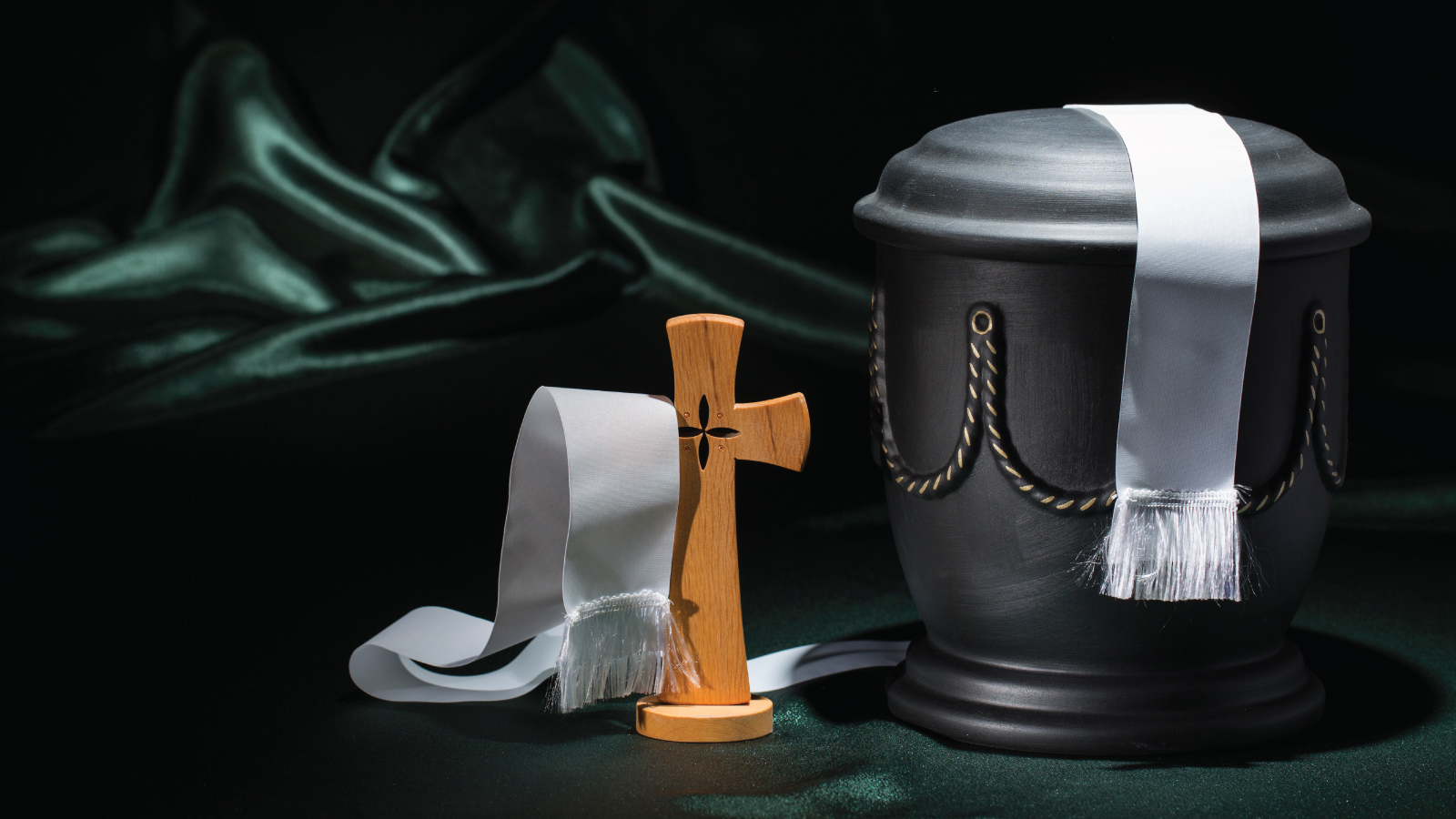
When I talk with families here in Sydney, one question comes up again and again: “What does the Church actually say about cremation?” It’s not a simple choice. Burial or cremation isn’t just about cost, or convenience, or even logistics. It’s tied to faith, tradition, and the weight of honoring someone’s final wishes. I once spoke with a daughter who was torn between her father’s request for a traditional burial and the reality of today’s cemetery prices. Her heart leaned toward devotion; her wallet reminded her of reality. And really, that’s the tension so many Catholic families live with. The Church now allows cremation, as long as the decision isn’t made out of fear that the body is somehow “lost” after death. 

The Old Way — and How It Shifted

For hundreds of years, burial was the only way. The Catholic Church saw the body as sacred, destined for resurrection. Cremation? Off the table. Too closely tied to pagan customs. But in 1963, things began to shift. The Vatican said yes to cremation, as long as the choice didn’t deny belief in eternal life. Then, in 1997, ashes could even be present at a Funeral Mass. Fast-forward to 2016, and the Church added clear guidance: ashes belong in a sacred space, not scattered on the beach, kept on a mantel, or divided among relatives (Congregation for the Doctrine of the Faith, 2016). And in 2023? The Vatican acknowledged grief in a new way. Families may now keep a small portion of ashes in memory of a loved one — with respect, and without rejecting Catholic teaching (Catholic News Agency). Step by step, the Church has found a middle ground between tradition and the lives we actually live. If you’re curious about faith practices beyond Catholicism, you may also want to explore which religions do not allow cremation to better understand cultural and spiritual differences.

Why Burial Still Matters

A burial feels timeless. The graveside prayers, the final blessing, the moment soil falls onto the coffin — it all speaks of reverence, hope, and continuity. A grave isn’t just a plot. It’s a place to visit, to light a candle, to sit quietly when grief catches you off guard. Walk through Sydney’s cemeteries like Rookwood or Macquarie Park, and you’ll see it: history, family names, faith carved in stone.

Cremation: The Growing Choice

That said, cremation has become the path more families are choosing. In the U.S., about 61.9% of funerals in 2024 were cremations, with projections pointing to more than 80% by 2045 (National Funeral Directors Association, NFDA). Even in Italy — land of deep Catholic roots — almost 40% of funerals now involve cremation (Statista). Sydney is no different. While exact figures vary, the cost tells the story. Burial plots can range between $15,000 and $22,000+, while cremation usually falls between $4,000 and $7,000 (NSW Government Cemeteries & Crematoria). It’s not just about money. Cremation gives families options. Services can happen later, ashes can be placed in a family grave, or they can rest in a columbarium. But the Church is clear: ashes deserve the same respect as a body. No scattering, no dividing, no casual handling. If you’re weighing your options, this guide on choosing between cremation or burial when planning a funeral may help clarify both the spiritual and practical aspects.

Counting Costs and Considering the Earth

Faith isn’t the only factor. There’s money. And there’s the planet. Burials take up land, and embalming brings chemicals into the soil (US Environmental Protection Agency). Cremation uses less land but creates about 200–250 kilograms of CO₂ emissions per service (Queensland University of Technology Research). Neither option is perfect. Other methods — like alkaline hydrolysis (sometimes called water cremation) or human composting — are starting to appear overseas. Australia hasn’t widely adopted them yet, but the conversation is happening. On the financial side, the difference is plain:
  • In the U.S., burial averages around $8,300; cremation about $6,280 (NFDA 2023 Price List).
  • In Sydney, burials often top $15,000, while cremation can be less than half (Cemeteries & Crematoria NSW).
For a deeper breakdown, see this analysis on the costs and considerations of cremation versus burial to understand how faith, budget, and sustainability intersect.

Laying Out the Choices

Burial
  • Cost: $15,000–$22,000+
  • Tradition: Deep Catholic roots; strong symbol of resurrection
  • Space: Plots becoming scarce, especially in metro Sydney
  • Environmental impact: Land and chemicals
  • Legacy: A permanent site for family remembrance
Cremation
  • Cost: $4,000–$7,000
  • Tradition: Permitted since 1963, with clear conditions
  • Space: Flexible, less demand for land
  • Environmental impact: CO₂ emissions, but less land use
  • Legacy: Urns, niches, or memorial gardens — but scattering discouraged

Making the Call

At its heart, the Church’s teaching is simple: whether burial or cremation, what matters is reverence for the body and belief in eternal life. I’ve seen families in Sydney strike that balance beautifully. One family held a full Catholic Funeral Mass, then cremated their loved one and later interred the ashes in a family plot. Tradition honored. Reality acknowledged. Love at the center.

Final Reflection

Burial and cremation aren’t in competition. They’re different paths to the same truth: life is sacred, and love carries on. The Church, while rooted in centuries of tradition, continues to walk with families through the pressures of cost, limited land, and environmental concerns. Here in Sydney, Funera Sydney is one of the providers helping families navigate these choices — not by replacing faith, but by supporting it in ways that feel both practical and compassionate.